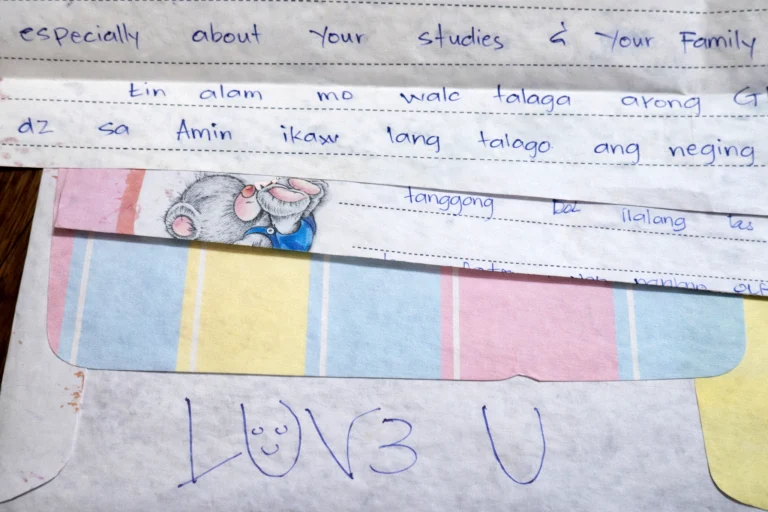
Looya nako uy!
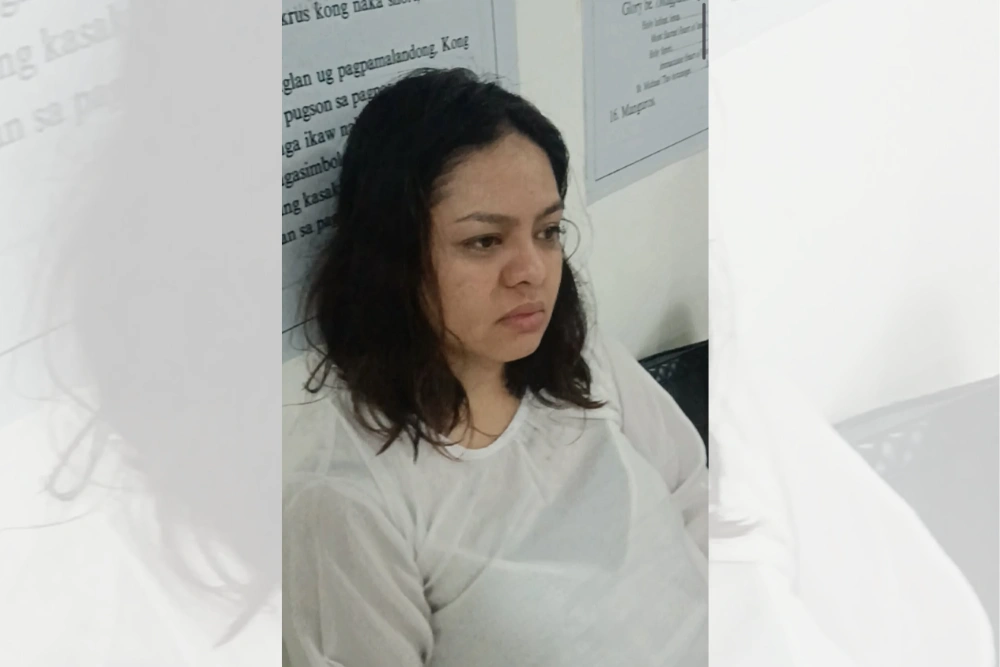
There is a kind of language that grows quietly inside a person who has suffered much.
It doesn’t shout.
It doesn’t demand.
It whispers.
It says:
- “If they see me as kalolooy, they will treat me gently.”
- “If they feel sympathy, maybe they will stay.”
- “If they pity me, they won’t leave me like the others did.”
For a long time, I lived in that language.
Not because I wanted to manipulate people.
Not because I wanted to use them.
But because pain taught me that vulnerability was the only door people used to enter my life.
I didn’t have many safe people growing up.
I didn’t grow up with stability.
And the trauma I carried — from abuse, abandonment, loss, grief — shaped the way I learned to survive.
When people pitied me, they were kind.
When they saw me as fragile, they softened.
When I was kalolooy, I received help.
And so, I unknowingly began to build an identity around it.
But here’s what I’ve realized only now, after years of self-reflection:
Pity can open hearts, but it will never open a future.
It keeps people close for a moment, but it cannot sustain growth, maturity, or abundance.
And slowly, I began to understand why this “language of pity” was quietly killing the person I wanted to become.
Looking back, I see now that my old patterns were not evil. They were survival.
When you grow up carrying wounds you didn’t choose—abandonment from your biological mother, dismissal when you tried to speak up, and pain you weren’t protected from—your mind learns that people pay attention only when you’re hurting. And from there, it’s actually easier to be consistently victimized, because it feels familiar, predictable, and strangely safer than stepping into a new identity
“This is how I get care.”
It’s not manipulation.
It’s a trauma response.
It’s what a wounded child learns to do in order to stay alive emotionally.
The problem is when our wounded inner child still speaks instead of our healed adult self;
because the adult you want to become needs:
- agency, not pity
- respect, not sympathy
- partnership, not rescue
- strength, not fragility
And yet, many of us who have survived trauma fall into the same trap:
We keep telling our story in a way that shrinks us, hoping others will expand for us.
But here’s the truth:
People will love your wounds, but they will follow your strength.
If you want to rise, you cannot lead with “looya nako.”
You must lead with clarity, capacity, and courage — even if your voice shakes.
The Wake-Up Call
For me, the wake-up call came in strange ways.
My kuya Dexter once joked (half seriously),
“Scammer.”
Not because I lied, but because I got help from others.
I didn’t fabricate anything.
I was sick.
I was grieving.
I was drowning in hospital debts.
I was feeling alone.
But he sensed the pattern:
I knew how to survive through sympathy.
That comment stayed with me.
Not as an insult — but as a mirror.
Was I presenting myself in a way that kept reinforcing a powerless identity in me?
Was I always entering rooms as the weakest version of myself?
Was I telling my story in a way that made me small?
The more I reflected, the more I realized:
I had learned to survive through softness, not strength.
And now, God is asking me to learn the opposite.
From Pity to Power: Lessons I’m Learning
1. My story is not a sob story — it is a source of authority.
Trauma is not something to hide.
But it’s also not something to lead with.
It is something to integrate so that I can speak with depth, not desperation.
2. I don’t need people to feel sorry for me to be worthy of love.
Compassion is good.
But dependence on compassion is not.
Healthy relationships are built on mutual respect, not rescuing.
3. I choose to be seen as capable, not pitiable.
It’s not pride.
It’s growth.
People take you seriously when you take yourself seriously.
4. My past shaped me — but it no longer defines my posture.
Yes, I was once the wounded child.
But today, I have the right to walk as an adult who creates, builds, writes, and leads.
5. God did not rescue me so I could keep calling myself helpless.
Healing does not require forgetting the past.
But it does require speaking differently about the present.
How to Shift Your Internal Language (A Practical Guide)
Not affirmations.
Not clichés.
Just real steps that actually work.
STEP 1: Identify your “palooy-looy lines.”
Examples:
- “I’m alone.”
- “I have no choice.”
- “My life is always hard.”
- “Nobody helps me unless I’m suffering.”
When you hear yourself saying these, pause.
They’re not evil — they’re just outdated.
STEP 2: Replace them with identity-based language.
Not fake positivity.
Just maturity.
Examples:
- “I am learning to support myself.”
- “I can ask for help without relying on pity.”
- “My past is part of me, but not the headline of my life.”
- “I speak from strength, not from scarcity.”
STEP 3: Tell your story without shrinking yourself.
When you write or share, try this pattern:
This happened to me → this is what it taught me → and this is who I’m becoming.
This turns trauma into testimony.
Pain into wisdom.
History into authority.
STEP 4: Practice being seen as strong.
This is the hardest part.
Because being fragile used to feel safe.
But try:
- entering conversations with clarity
- writing with purpose
- speaking with groundedness
- asking for help without self-belittling
At first it feels unnatural.
Then it becomes normal.
Then it becomes freedom.
STEP 5: Keep walking away from identities that no longer fit.
When you catch yourself slipping into old patterns, don’t judge yourself.
Just say:
“That was old me.
New me speaks differently.”
And keep going.
Final Reflection
There is nothing shameful about surviving.
Nothing shameful about needing support.
Nothing shameful about having a painful story.
But pity is not your home.
It was the doorway you used to stay alive — but it is not the space you were meant to grow in.
You can be deeply honest about your suffering without becoming defined by it.
You can be transparent without being kalolooy.
You can carry your story without hiding in it.
And most of all:
You can choose to be seen for your strength, not your wounds.
You have permission to speak with power now.