Why Do We Need to Suffer?
What if we were not created simply to be happy?
I used to believe that the goal in life was happiness. I see it in parents today—doing everything they can to keep their children from ever feeling bored, frustrated, or upset. I was once that child, too. My parents gave me almost everything I wanted. I excelled in school, had friends, was supported in my talents. I was happy. Life felt good, full, and easy.
So naturally, I believed that was the point: to keep doing things that made me happy, to pursue what fulfilled me, to avoid sadness or failure.
But then came rejection. Pain. Financial struggles. Loneliness. And I realized, we can’t always be happy. And maybe—we weren’t meant to be.
So, what are we really here for, if not for happiness?
I came across a video of a priest who had fallen seriously ill—hospitalized and in pain. He shared that during his suffering, he claims that he was with Jesus in Gethsemane, praying, aching, surrendering. In a moment of interior consolation, he sensed the Lord telling him that his pain had brought a million souls back to Christ.
That one moment made me ask—Is this what life is about? Is suffering part of our purpose? Are we called to share in Christ’s suffering?
But why would a loving God want us to suffer?
We Were Made for Love, Not Just Happiness
The Catechism of the Catholic Church teaches that “God created man to make him share in His own blessed life” (CCC 1). Our ultimate purpose is not merely to be happy on earth, but to share in the eternal joy of God’s love. Earthly happiness is fleeting. Eternal beatitude—beatitudo—is the goal.
Happiness here is not the endpoint. In fact, Pope Benedict XVI once said:
“The world offers you comfort. But you were not made for comfort. You were made for greatness.”
And that greatness? It comes not in escaping suffering—but in transforming it.
Why Suffering?
- Because Christ suffered first.
“If anyone would come after me, let him deny himself, take up his cross daily and follow me.” (Luke 9:23)
We do not suffer alone. Christ entered into human suffering to redeem it. He did not eliminate it—He filled it with Himself. So that when we suffer, we share in His love, His mission, His redeeming work. - Because suffering refines love.
In Salvifici Doloris, Pope St. John Paul II’s Apostolic Letter on the Christian meaning of suffering, he writes:
“Suffering unleashes love… the world of human suffering evokes compassion, it also evokes respect, and in its own way it intimidates.” (SD 29)
Our capacity to love deepens when we endure suffering—not bitterness, but offering. We begin to see more clearly, feel more compassionately, and give more freely. - Because suffering can become prayer.
The saints have long taught that our trials, when united with Christ’s, become intercession.
St. Paul writes, “I rejoice in my sufferings for your sake, and in my flesh I am filling up what is lacking in Christ’s afflictions for the sake of his body, the Church.” (Colossians 1:24)
Our pain can mysteriously become redemptive, not only for ourselves, but for others. We share in the work of salvation—not through success or achievement, but through surrender. - Because suffering can expose what really matters.
Pope Francis, in Evangelii Gaudium, reminds us:
“Amid the daily concerns of life, we risk forgetting that we are called to something greater.” (EG 273)
Suffering clears away the noise. It strips down our illusions of control. It draws us back to the essentials: faith, love, grace, and eternal hope.
So Why Do We Struggle So Much to Be Happy?
Because we were not made for this world. We are, as C.S. Lewis once wrote, “half-hearted creatures… fooling about with drink and sex and ambition when infinite joy is offered us.”
We chase distractions to avoid silence. We fill our days with novelty to escape our ache. But that ache? It’s holy. It’s a signpost.
What Do We Do With This?
We don’t glorify pain for its own sake. We don’t chase suffering as if it’s the goal. But when it comes—and it will—we carry it with Christ, not alone. We let it deepen our faith. We let it soften our hearts. We let it make us more human, not less.
If happiness comes, let it be a gift.
If sorrow comes, let it be an offering.
But either way—let it all be love.
Lately, this reflection has not been theoretical for me.
I’ve been feeling the weight of things I cannot fully control—uncertainty about work, the quiet fear of losing stability, the pressure of bills, rent, and responsibilities I know I chose but still struggle to carry. There are moments when everything feels overwhelming, when I catch myself thinking that if these burdens were gone, I could live simply, freely—maybe even give my life entirely in service without hesitation.
And in more honest moments, a darker thought slips in: what if I just didn’t have to carry any of it at all? What if I could simply disappear, without reason to stay, without anything tying me down?
But then, I encounter people whose suffering is undeniable, tangible, and relentless.
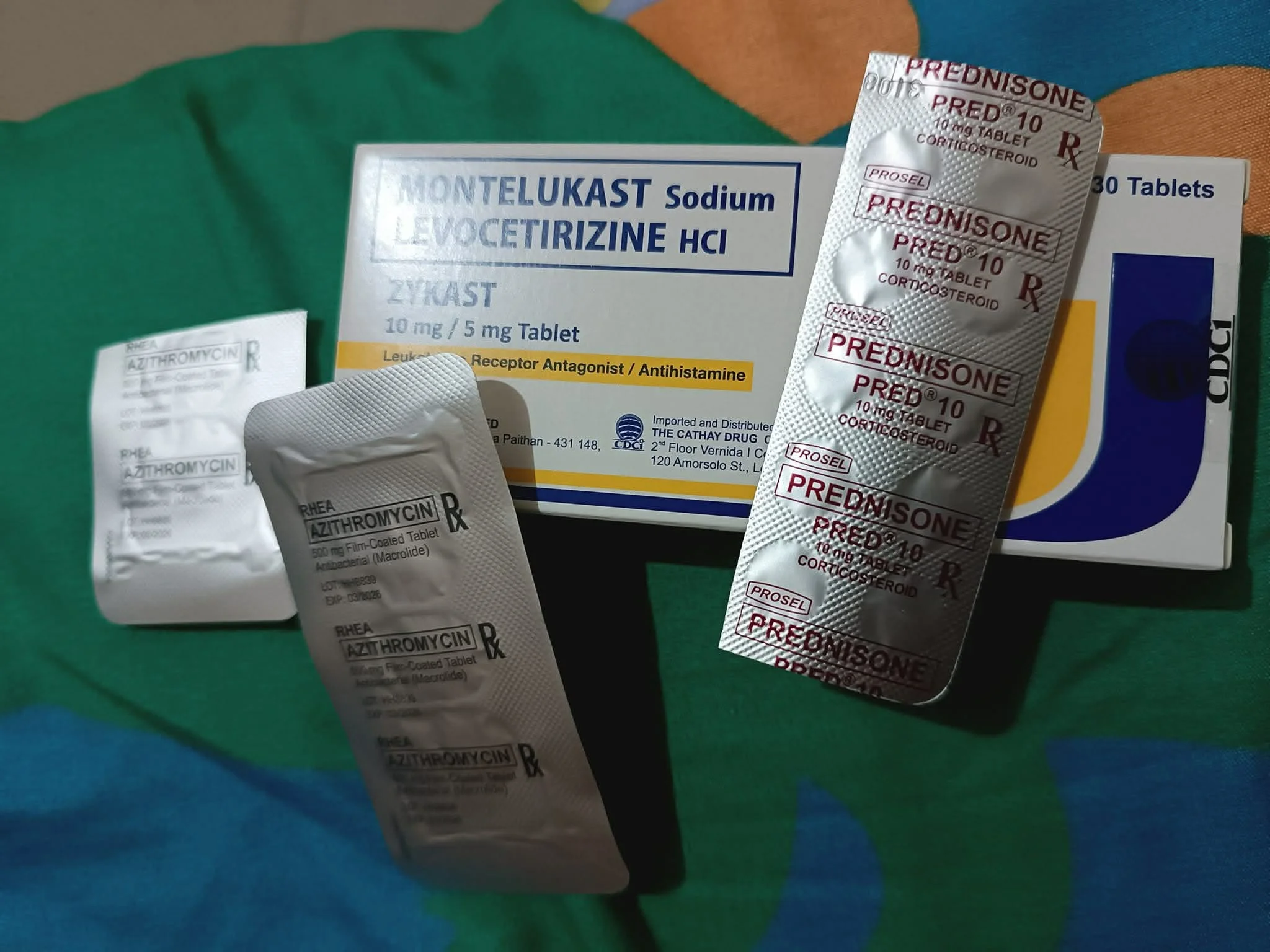
A wife, living with cancer, already exhausted before treatment has even begun—afraid, in pain, and yet still choosing to wake up each day and endure. Another, a mother and a leader, carrying the weight of her family, her work, and her community—after almost losing her son, still showing up, still serving, still loving despite her own fatigue.
And I see them. I see how tired they are.
In a strange and quiet way, I also feel their suffering.
And it humbles me.
Because while I know my struggles look different—and perhaps lighter from the outside—it doesn’t erase the reality that I, too, am carrying something heavy. Pain does not need to compete to be real. Burdens do not need to be equal to be valid.
But what their lives reveal to me is this: suffering, when carried with love, becomes something more than just pain. It becomes a form of fidelity. A quiet “yes” to life, even when life is hard.
And maybe that is where I find myself now—not strong, not certain, not free from fear—but still here. Still choosing, in small ways, to remain.
Perhaps that, too, is a form of offering.