Are we not the same people we condemn?

The phrase “Hate the sin, not the sinner” has often been repeated, but rarely lived.
In our country—where over 80% of the population professes the Catholic faith—we would expect mercy to be part of the cultural bloodstream. But the truth is far more complicated. We are a people of passion. We are expressive, united by shared grief, anger, and joy. But we are also a people of extremes: when we admire, we idolize; when we condemn, we crucify.
We’ve seen it happen over and over. A public figure makes a mistake, speaks out of turn, or does something offensive—suddenly the digital world explodes with hatred, mockery, and demands for cancellation. Persona non grata declarations are passed by local councils. Social media feeds flood with commentary, ridicule, and even threats.
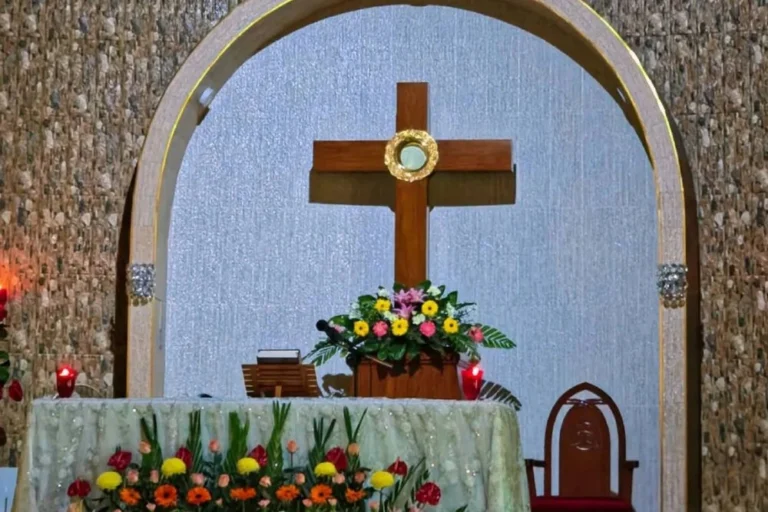
I remember the “Dancing Queen” video that went viral—a performance staged at the altar of a church. The reaction was immediate, emotional, and at times, violent. The artist was insulted. The organizers were condemned. Even the bishop was dragged into the chaos.
What does this say about a country of nearly 80 million Catholics?
It tells us that despite our religiosity, we struggle to extend the same mercy we beg from God every Sunday.
It reveals that public outrage often overshadows pastoral correction.
And yet, we forget:
“Let him who is without sin among you be the first to throw a stone.” (John 8:7)
Jesus did not say the woman caught in adultery was innocent. He said she was more than her sin—and that mercy is the first step toward conversion.
The Catechism of the Catholic Church reminds us:
“God created us without us: but He did not will to save us without us. To receive His mercy, we must admit our faults.” (CCC 1847)
And while accountability matters, judgment without mercy is cruelty—and cruelty has no place in the Gospel.
St. John Paul II in Dives in Misericordia warned:
“The Church must profess and proclaim God’s mercy in all its truth, as it has been handed down to us by Revelation.” (DM, no. 13)
The Church is not called to become a tribunal of shame but a field hospital, as Pope Francis often says, for the wounded and searching:
“The Church is not a tollhouse; it is the house of the Father, where there is a place for everyone, with all their problems.” (Evangelii Gaudium, 47)
We must not confuse justice with vengeance, nor correction with humiliation. Even when wrong has been done—especially when sacred spaces are involved—we must correct with charity, not contempt.
This truth was made painfully clear in the recent aftermath of the shooting of Charlie Kirk. While it is diabolical and gravely wrong to rejoice in the death of another human being, what was equally troubling was the merciless way many reacted to those who had expressed such rejoicing. Some who posted inappropriate comments lost their jobs overnight. But consider: what if among them was a single mother with an infant, who now had no means to feed her child? Was immediate dismissal, without room for correction or redemption, the only path? By stripping them of livelihood without mercy, are we not the same people we condemn—people who rejoice in punishment rather than hope for change?
Yes, it is wrong to mock the death of another. But is it not also wrong to crush the sinner without giving them a chance to repent? When we punish without mercy, do we not mirror the Pharisees who, eager to uphold the law, forgot that they too were sinners? Accountability is necessary, but it must be joined to compassion; otherwise, both the one who falls and the one who punishes share in the same sin of mercilessness.
So what must we do?
We must first ask ourselves: Am I forming or deforming others with my response?
We must teach the difference between sacred and secular, right and wrong—but always with hope for redemption, not delight in destruction.
We must be a society that protects what is holy without becoming a mob, and that corrects what is wrong without denying anyone the chance to be restored.
As Catholics, we are called to be witnesses of the Cross—where justice and mercy met, and from which flowed not condemnation, but salvation.
Let us not only hate the sin.
Let us love the sinner enough to call them back—not with stones, but with truth spoken in love (cf. Ephesians 4:15).