I thirst for love
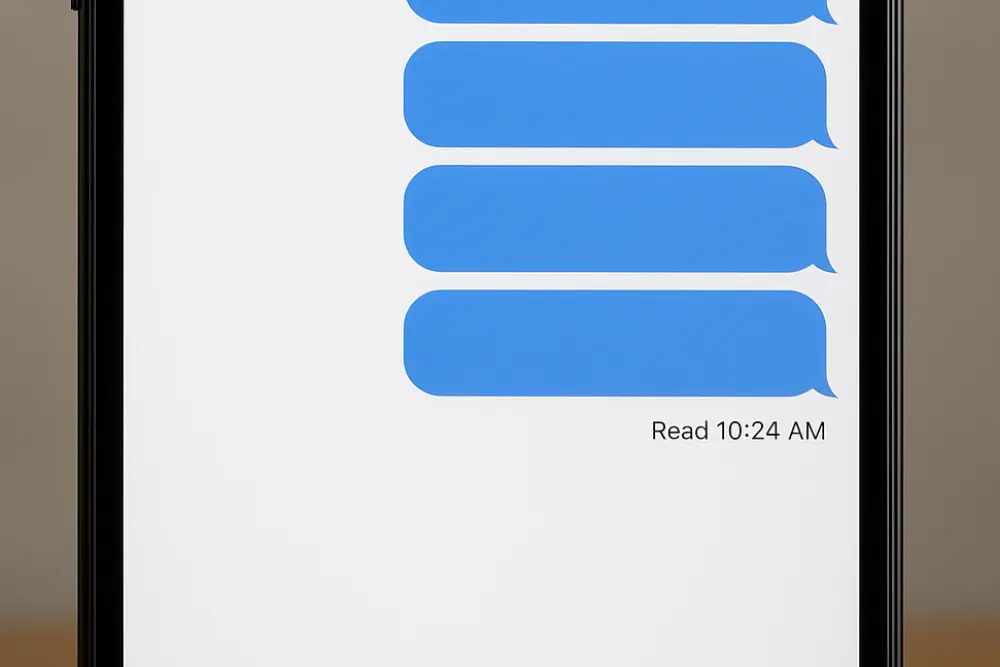
Perhaps this thirst for love is unquenchable—rooted not just in my personal history of abandonment, but in a soul created to love and be loved completely. I love deeply, often too much. And when that love isn’t returned—whether by friends or even family—I ache. I wait for replies that don’t come. I analyze silence. I wonder if I said too much or if I simply do not matter.
Every morning, my uncle sends his usual greetings: a verse, a quote, a “good morning.” I reply, I try to connect. But there’s often nothing in return. This morning, I even shared about my blog—something very personal to me. But again, silence. And I realized, he might just be sending messages by routine, not truly reaching out.
That hurt.
I tried to convince myself not to take it personally. He could be tired, overwhelmed, emotionally distant. Maybe he has his own scars. But what hurts is not simply the unanswered message—it’s the realization that many people send out words but do not really want to receive any in return.
To me, replying is love. Listening is love. Not restricting someone is love.
And yet, in our time, I see another face of this longing. People post daily photos of themselves, countless updates and reels. On the surface, it may look like vanity or a hunger for likes. But maybe—just maybe—it is the same thirst I feel: a longing to be seen, to be noticed, to be affirmed in their existence. Underneath the selfies and captions may be souls aching for connection, for love that goes deeper than reactions or shares.
Many people—perhaps even those closest to me—have added me to their restricted lists, whether on social media or in life. They say it’s for their “peace” or “self-love.” And maybe it is. But I can’t help but see how this creates a world where people feel unwanted, unheard, invisible. Sometimes, this silence is what pushes people to the edge. They don’t kill themselves because they want to die; they do it because they believe no one will care if they live.
I know I cannot force love. I cannot demand replies. I cannot beg to be heard. But here’s the aching question in my heart:
Can I keep loving those who don’t love me back? Can I give that gift—even if it hurts?
What Does Jesus Say?
Yes, I can. And I should. Because that is exactly what Jesus did.
“Love your enemies, do good to those who hate you, bless those who curse you, pray for those who mistreat you… If you love those who love you, what credit is that to you? Even sinners love those who love them.”
—Luke 6:27–28, 32
Jesus’ love was never measured by response. He loved those who rejected Him. He cried out “I thirst” (John 19:28) from the Cross—not just from physical pain, but from the divine thirst for our love. His heart longed to be loved, to be welcomed, to be heard. And yet He loved even when the answer was silence.
“He came to His own, and His own received Him not.”
—John 1:11
Still, He gave.
He gave when misunderstood. He gave when denied. He gave when abandoned.
What Do the Saints Say?
St. Thérèse of Lisieux, whose feast we just celebrated, understood this thirst better than most. Her “Little Way” was to pour love even into the smallest, hidden moments, trusting that nothing is wasted in God’s hands:
“Love is repaid by love alone. When we are misunderstood and our words or intentions are ignored, we must be glad to offer them to Jesus.”
St. Teresa of Calcutta, who lived through long periods of spiritual dryness, once said:
“Love, to be real, must cost. It must hurt. It must empty us of self.”
Loving people who don’t love back is a participation in the suffering love of Christ. It’s not foolishness—it’s holiness. But that doesn’t mean we must let it crush us.
So, How Can I Respond?
- Grieve what’s real
I have to let myself feel the pain. Even Jesus wept (John 11:35), and that gives me permission to cry when love is not returned. The sorrow I feel isn’t weakness—it’s a mark of how deeply I care. Wanting to be seen and heard is not selfish—it’s human. - Anchor my identity in God’s gaze
Just because someone leaves me on “seen” or ignores my message doesn’t mean I am less loved. God never forgets me. I am fully known, fully loved.
“I have loved you with an everlasting love; I have drawn you with loving-kindness.” —Jeremiah 31:3
- Love with boundaries
I can still choose to love—but not at the cost of my peace or dignity. Even Jesus withdrew to rest and pray (Luke 5:16). If He needed space, so do I. Setting healthy limits isn’t unloving—it’s a way of honoring the love I give. - Speak my heart to God
If others won’t listen, He always will. I can pour out every word, every silence, every unspoken hurt in prayer. He hears even the sighs I don’t know how to explain. - Hope anyway
Even if people don’t always listen or care, God sees every effort. No love I’ve given is wasted. Maybe not all love is returned—but when I give it out of faith, it becomes a seed of grace. A gift that matters, even if unnoticed.
Love that expects nothing is rare. Pain that comes from deep affection is holy ground. I am not weak because I feel too much—I am alive to the truth that God made us for communion.
So, can I love even if they don’t love me back?
Yes, I can.
Because Christ in me is already doing that.