Reflection: Before We Blame Parents
It seems that hardly a week goes by without another disturbing headline.
A student stabs a classmate. A young person brings a weapon to school. Bullying continues to claim victims. Teachers are insulted, threatened, or even physically harmed by the very students they are trying to educate. Violence among children and teenagers seems to be increasing, leaving many of us wondering what is happening to this generation.
And almost instinctively, we ask:
“Nasaan ang mga magulang?”
I know that feeling because I’ve caught myself doing the same thing.
Whenever I see children misbehaving, throwing tantrums, acting aggressively, or showing little respect for others, my mind doesn’t immediately judge the child.
It judges the parents.
“Why aren’t they disciplining their child?”
“Are they allowing this behavior?”
“Didn’t they teach them right from wrong?”
Those thoughts come quickly—almost automatically.
But over time, I’ve learned to pause.
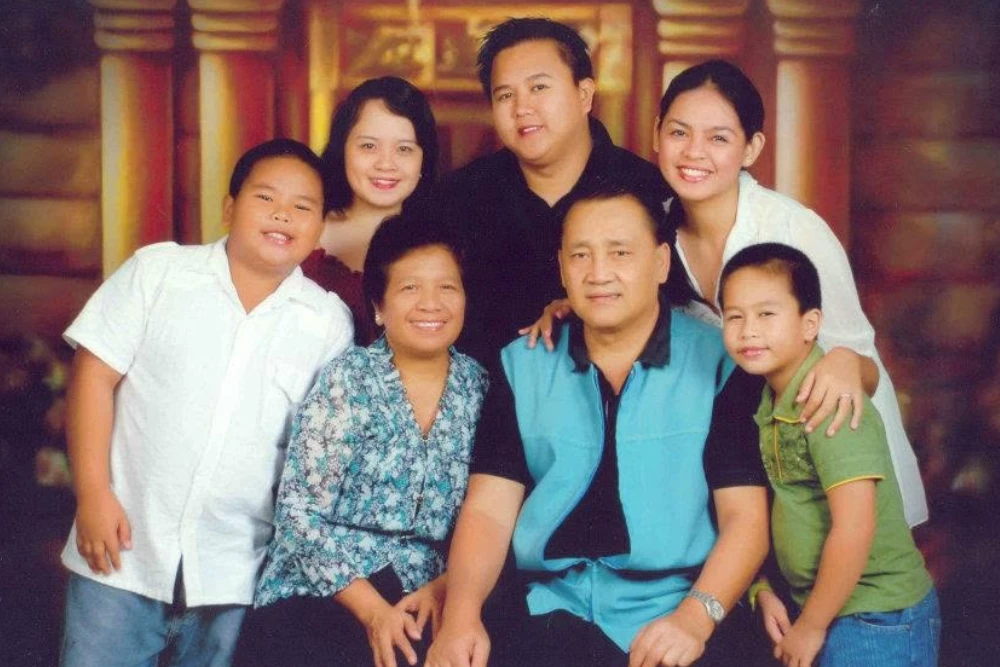
Because while there are certainly parents who neglect their responsibilities or tolerate unhealthy behavior, there are also countless mothers and fathers who are exhausted, praying, correcting, guiding, and loving their children with everything they have.
Even though I am childless, I know parenting is never easy.
Children are influenced not only by their homes but also by friends, social media, the internet, entertainment, school, and the culture that surrounds them. A child’s behavior is shaped by many voices, not just the voices of their parents.
And even then, every child still possesses something no parent can completely control:
Free will.
When I look back at my own life, this truth humbles me.
I was raised by good, loving, responsible parents. They taught me kindness, respect, morality, and faith. They corrected me when I was wrong and tried to raise me well.
Yet I still made mistakes.
I became a people pleaser.
I chose things I knew were wrong.
There were moments when I lived a double life.
None of those choices were my parents’ fault.
Those were mine.
They were the result of my own decisions and the freedom God gave me.
And that’s where this reflection reaches something even deeper.
Sometimes we do to parents what people often do to God.
When a child goes astray, we ask, “Where were the parents?”
When we fall into sin, we ask, “Why did God allow this?”
But God did not create robots.
He created sons and daughters capable of love—and love can only exist where there is freedom.
He teaches us what is good. He gives us His commandments. He surrounds us with grace. Yet He never forces our obedience.
Likewise, parents can teach, discipline, guide, pray, and sacrifice every single day, yet there comes a point where their children begin making decisions on their own.
This doesn’t excuse poor parenting. Parents have a sacred responsibility to form, correct, and love their children. Families, schools, communities, and even governments all have a role in forming young people. Accountability matters.
But neither should we automatically place the entire weight of every child’s actions upon a mother’s or father’s shoulders.
Sometimes, the most faithful parents still watch their children make painful choices.
Perhaps the recent rise in violence among young people should move us not only to ask, “Where are the parents?” but also, “How can we, as a society, help raise a generation that values life, respect, responsibility, and compassion?”
Before we criticize, may we remember that every family carry burden we cannot see.
Before we judge, may we choose understanding.
Before we point fingers, may we pray.
Pray for parents who are trying their best.
Pray for children growing up in a confusing world.
Pray for teachers who continue to educate despite discouragement and danger.
And pray for ourselves—that we may always choose compassion over condemnation, while never ceasing to stand for what is good, true, and right.