Tampururot Ka
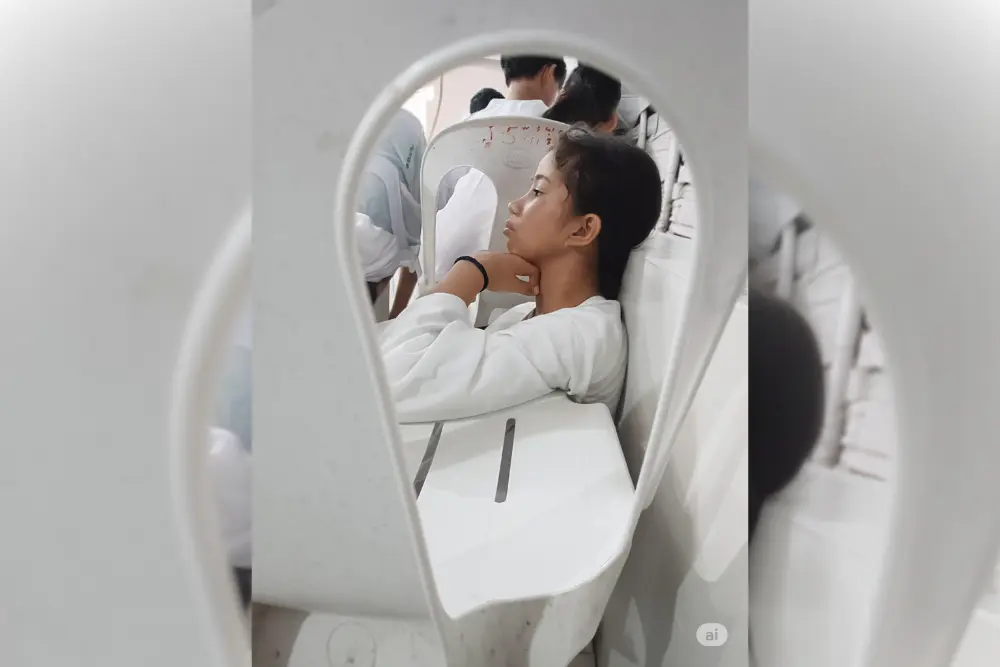
“Tampururot ka.” This is a common phrase we say—sometimes in jest, sometimes in gentle frustration—to friends or family members who easily get offended and quietly disappear from the scene. They sulk, withdraw, and stay away for days, months, or even years. And here in the Philippines, this isn’t rare. As one local psychologist once said, “Filipinos are emotional; we are walking emotions.” We act, speak, and make decisions based on how we feel—sometimes to a fault.
In our context here in Davao, where communities are closely knit, this emotional sensitivity becomes even more palpable in our Gagmayng Kristohanong Katilingban (GKK)—our Basic Ecclesial Communities (BECs). These small “Little Communities of Christ” are vital expressions of grassroots faith life. They are grouped by neighborhoods or villages, each with its own chapel, patron saint, and local leaders. Weekly liturgies, usually the Kasaulogan sa Pulong or Liturgy of the Word, sustain them spiritually, especially in areas far from the main parish churches.
But as they say, “familiarity breeds contempt.” The same closeness that makes these communities strong can also lead to tension. Gossip, misunderstandings, disputes over accountability, or morality issues often cause volunteers to withdraw. Readers, lectors, worship leaders, those who clean the chapels or organize events—all are susceptible to burnout or hurt, and the response is often the same: tampo.
It’s a quiet resignation. No confrontation. Just a silent retreat. Some shift to other parishes, others stay home. The wounds remain unspoken but felt.
The tragedy of this cycle is how common it has become. We no longer ask why someone is missing. We simply notice their absence and move on. But what does this mean for the Body of Christ, where “if one member suffers, all suffer together” (1 Corinthians 12:26)?
It was during one pastoral visit of Most Rev. Romulo G. Valles, Archbishop of Davao, that a message struck deep: “We must welcome back those who return with open arms, not sarcasm.” What a Christ-like reminder! This echoes the parable of the Prodigal Son (Luke 15:11–32), where the Father did not ask for explanations or express bitterness, but ran, embraced, and celebrated his son’s return.
Imagine if our communities mirrored that mercy. No raised eyebrows, no biting comments, just open doors and open hearts.
Every Baptized Catholic Belongs
Another frequent misconception is that only those who actively attend prayer services or contribute financially are considered GKK members. But the Church teaches otherwise. As the Archbishop has consistently reminded during his visits, “Every baptized Catholic is a member of the Church community.” Baptism is our initiation and identity—not our performance, nor our dues.
So, when we see someone who had once left come back—whether after gossip, burnout, or moral failure—our first instinct must be welcome, not wariness. That’s what grace looks like.
Healing begins with humility. As Pope Francis reminded us, “The Church is not a tollhouse; it is the house of the Father, where there is a place for everyone, with all their problems.” Let us be the kind of GKKs and parishes where returning does not feel like a courtroom trial, but a homecoming.
After all, don’t we all have moments of tampo with God? And yet, He welcomes us every time—with no sarcasm, only love.